News, notes, screenings and ramblings from Directors Lounge, the mothership of media art.
Directors Lounge Screening:
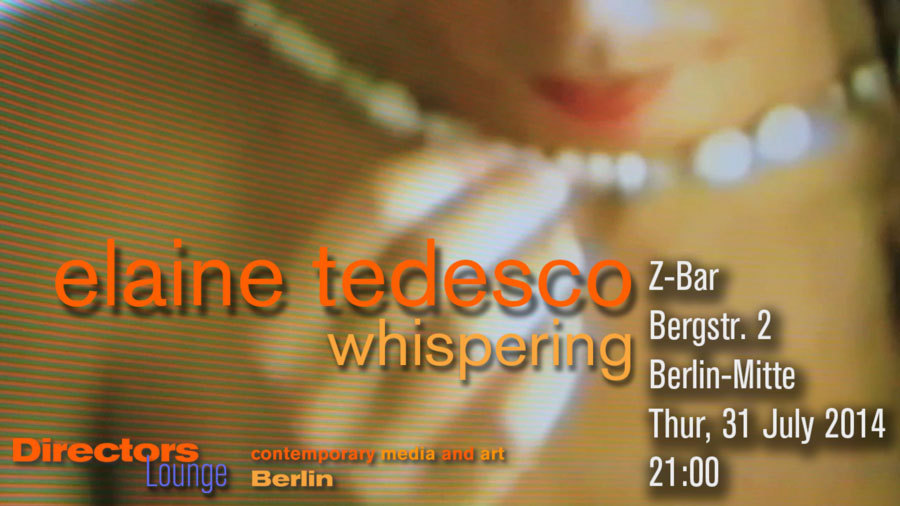
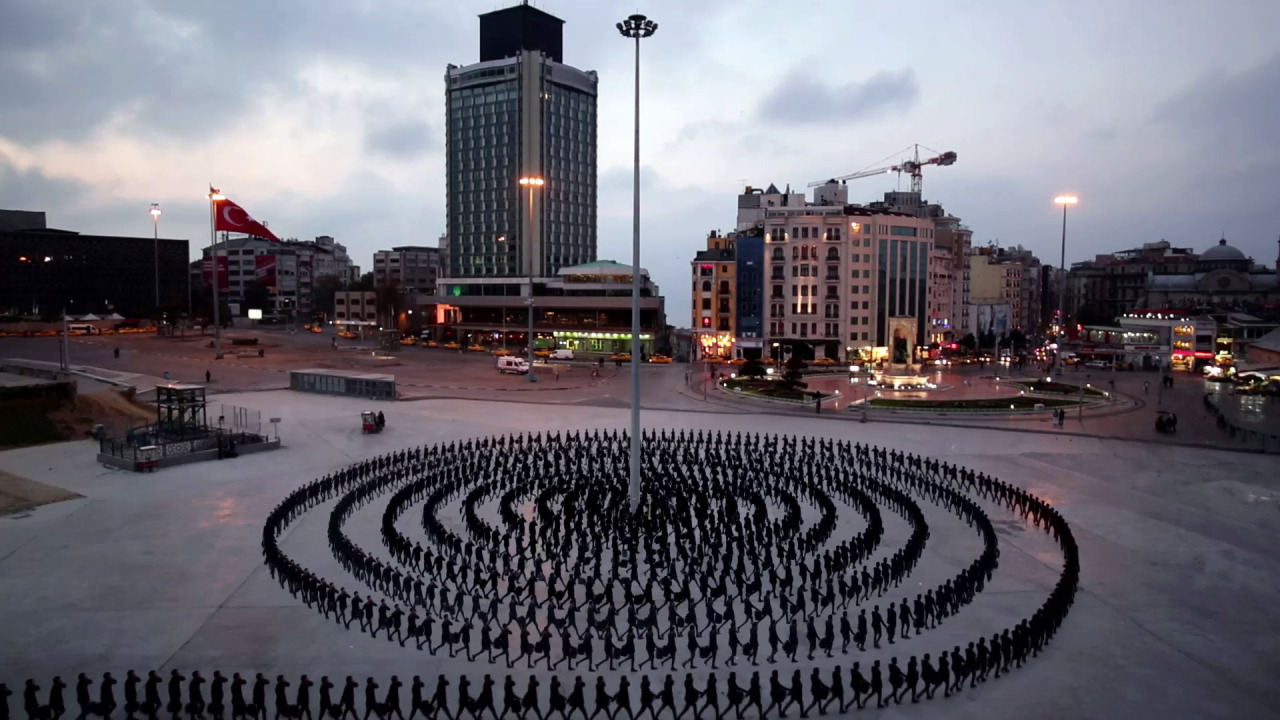
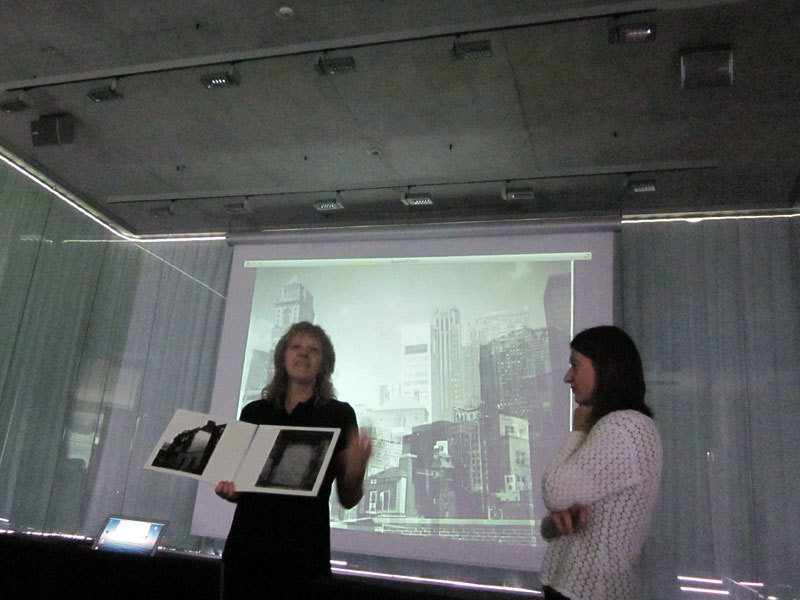
Elaine Tedesco Whispering
Thursday, 31 July 2014 21:00 Z-Bar Bergstraße 2 10115 Berlin-Mitte
This is set of videos by Brasilian artist Elaine Tedesco, a selection of works created between 1988 – 2012 and a work in process that she is realizing in Berlin. Divided into 4 groups: Video performances, domestic video notes, conversations and photography, it shows estrangements on looks at the daily life. Elaine Tedesco currently stays in Berlin at an artistic residence promoted by Instituto Goethe.
C.A.R. Network III, the innovative art fair, 9 July – 1 August 2014
Opening Reception: 9 July, 5 pm
Gallery On, B1 Young-chung Bd. 69 Sagan-dong Jongno-gu Seoul 110-190 Korea
Directors Lounge, the Berlin-based platform for contemporary art and media, presents selected single channel works at Gallery On, Seoul during the C.A.R. Network III. The looped installations range from classic short animation to gif-based online works and interactive processing, giving a glimpse into new tendencies of motion-based media art.
With video works by Sandra Becker01, Erdal Inci, Hara Katsiki, Hye Young Kim, Julia Murakami and Stephan Hilpert, Alan Smithee, Andre Werner
Hye Young Kim KR Unfulfilled Desire II Blindness 21 min 2013
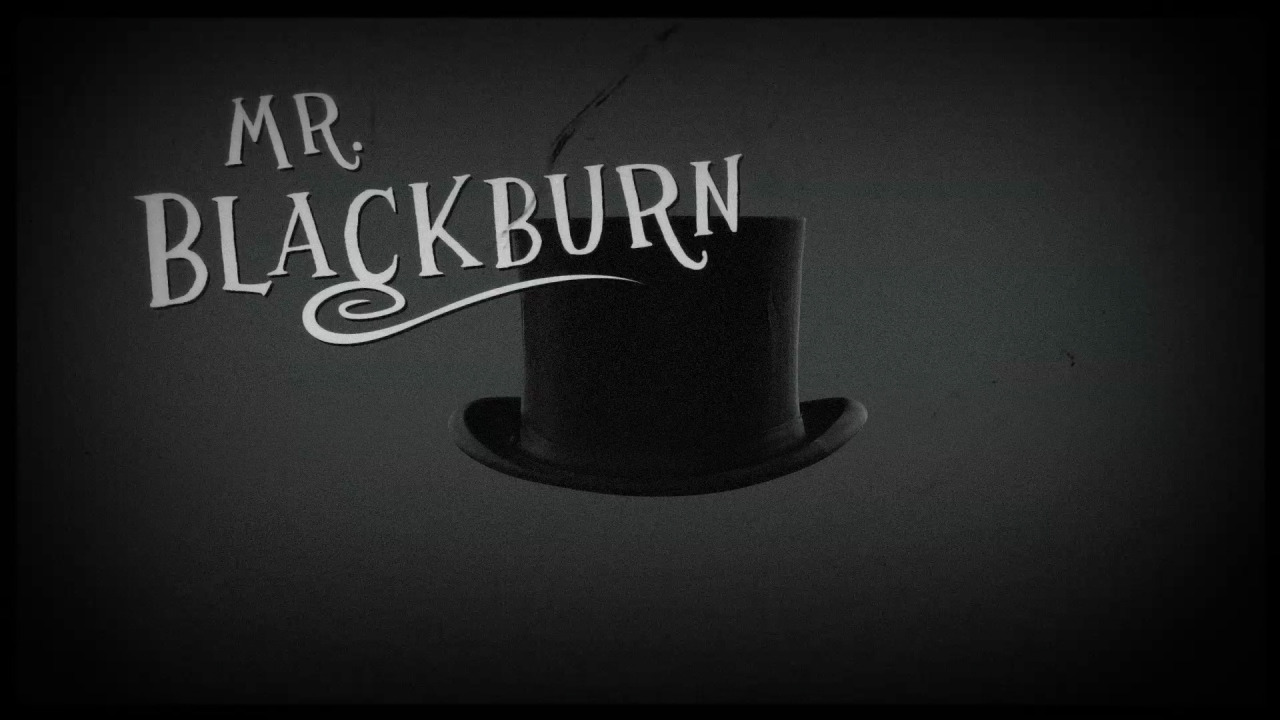
Julia Murakami and Stephan Hilpert DE Mr. Blackburn 40s 2014 score: Darius Greene, World Premiere
Alan Smithee Are You Afraid Of … 2013
Andre Werner DE Opening Robert Rauschenberg 6 min 37s 1990
………………………………………….
Directors Lounge Screening:
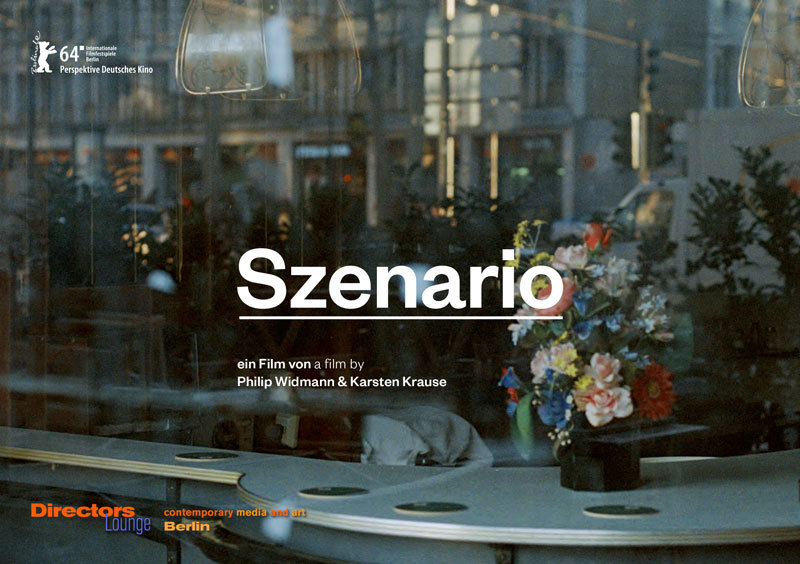
Philip Widmann und Karsten Krause Szenario
Thursday, 26 June 2014 21:00 Z-Bar Bergstraße 2 10115 Berlin-Mitte
Szenario, a collaboration of the filmmakers Philip Widmann and Karsten Krause appears to be a documentation about a love affair; a chronicle of 3 months in fall 1970, when a married man called Hans starts an affair with his secretary, called Monica, also married.
The main character of the film could be called “the suitcase”, though, a collection of notes, photographs, tickets and other papers from a suitcase, apparently collected by “him”, the male lover. The notes conof diary entries, where Hans meticulously wrote down every date he met with Monica, how long they had sex, and in which position they had intercourse. He also added to the record the places and circumstances they met, yet and always in the spare lasistnguage of a book keeper or bank clerk. The typewritten notes are spoken by a female voice, while the film images show passages of urban landscape of Köln, mostly slow tracking shots, some of them from car, and both at night and at day time.
What looks like a straight documentary at first, however, turns out to be something altogether different if the viewer looks more precisely. It turns out to be a sophisticated narration that keeps irritating by indulging the viewer into the immersions of story telling on one hand, and showing doubts on its own media: contradictions in sound, picture and story telling. The techniques of irritation or Brecht-like alienation effects start right from the beginning. It is thus worth to try a more close reading from the beginning again, of the opening scenes of the film. A young woman with large red glasses starts reading from a script. -*°°*- Full text at richfilm.de
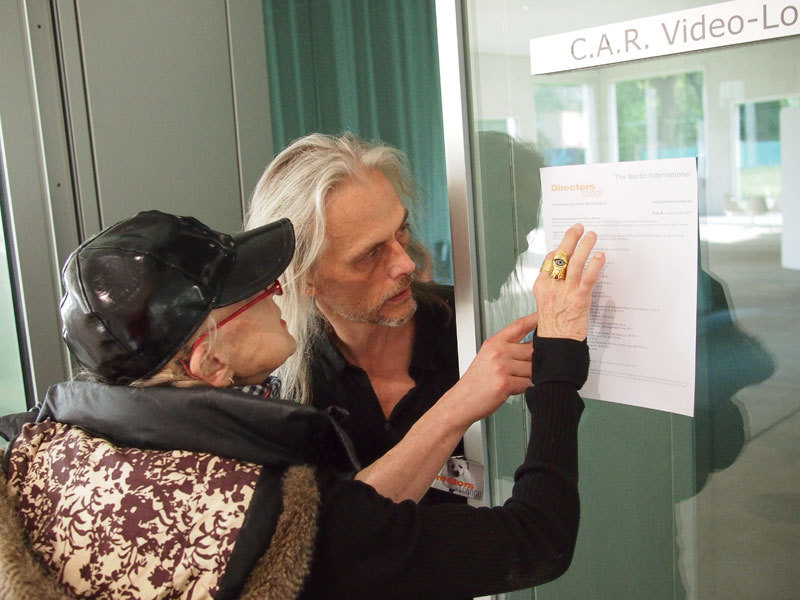
A special lecture inside the C.A.R. Video Lounge: Digital storytelling, an introduction of RFID books that trigger interaction through the flipping of pages. Presented by Dr. Regina Francken, FKI Berlin and Sandra Becker, medienwerkstatt Berlin.
New works by Julia Murakami will be shown for the first time at the c.a.r. media art fair
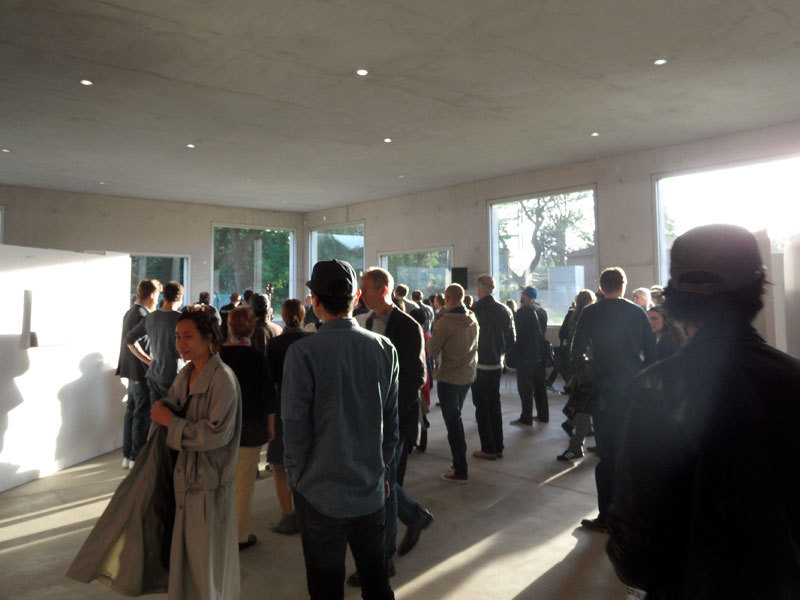
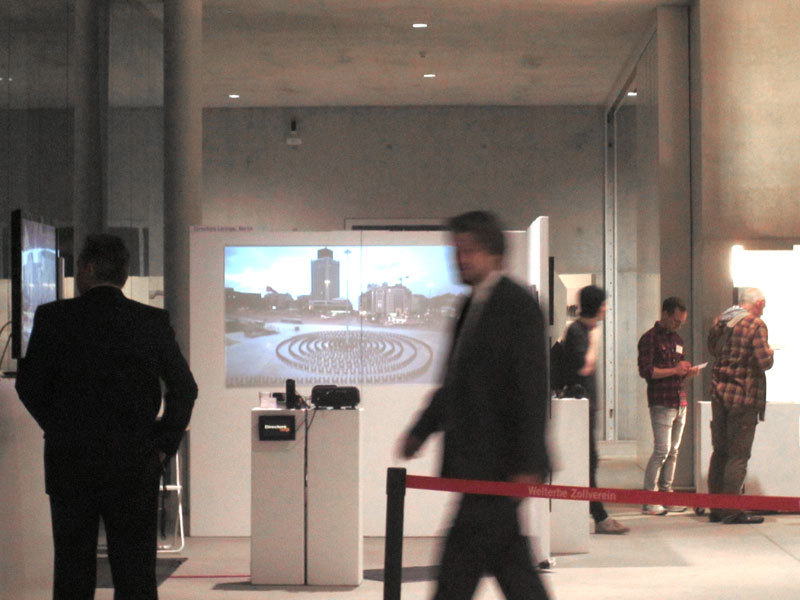
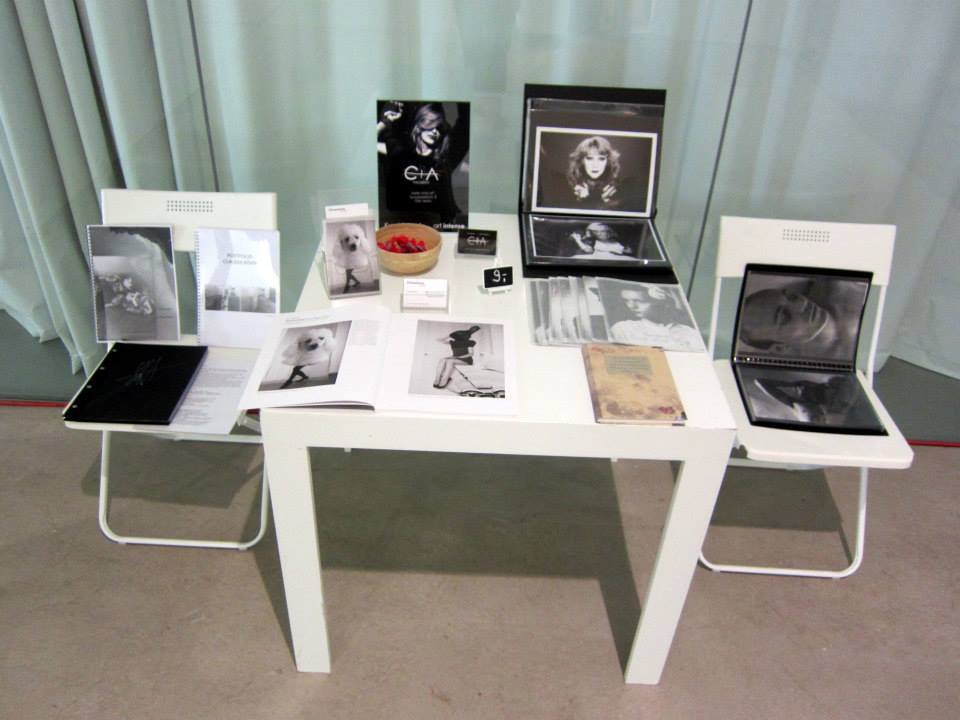
From Berlin straight out to the Ruhr, home to Germany’s concentrated multi-millions and “contemporary art ruhr,” a concentrated display of all that is here and now (and beyond) in the world of media art. C.A.R. spreads its considerable wings regularly, reaching a global tally of urban art-zones, but invites to its home turf in this bi-annual gathering of innovative thinkers. Directors Lounge has become a regular-as-clockwork contributor to the more daring summer fair, exporting its international imports and making the trip in person to see visitors through its specially curated mélange of onscreen marvels. The flicks selected join of a temporary world of razor-sharp installations, performance, photography and more, fodder for the wide-awake mind. With contributions from DL partner Cross Art (Zurich-Berlin) and more, a feast of film awaits at World Heritage Site Zollverein in Essen. Directors Lounge cordially invites you to electrify your senses.
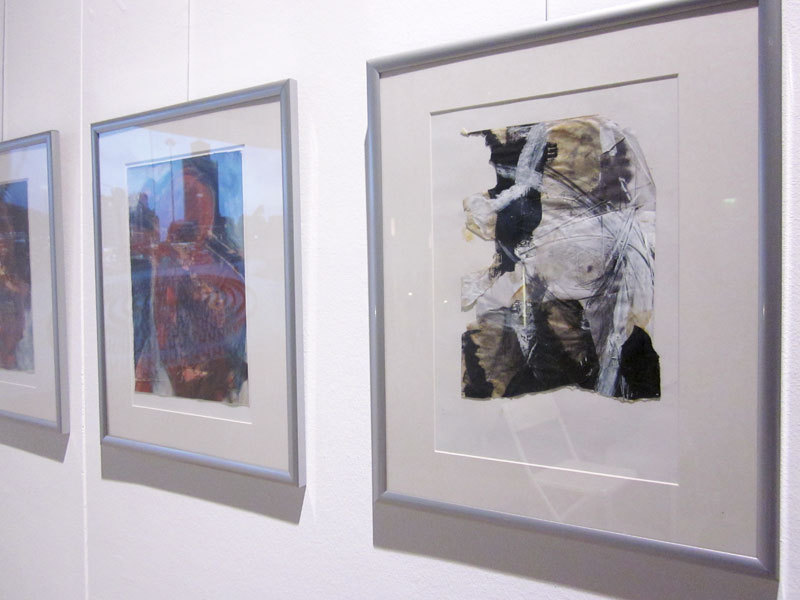
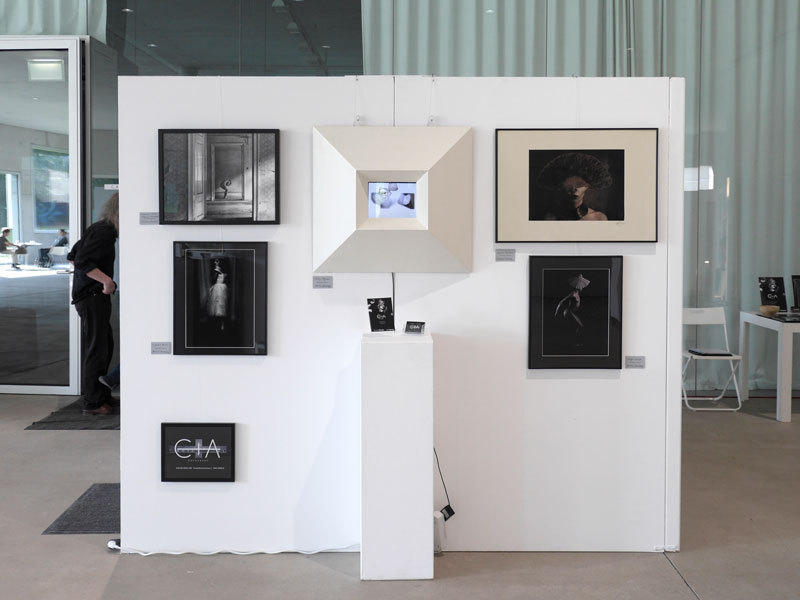
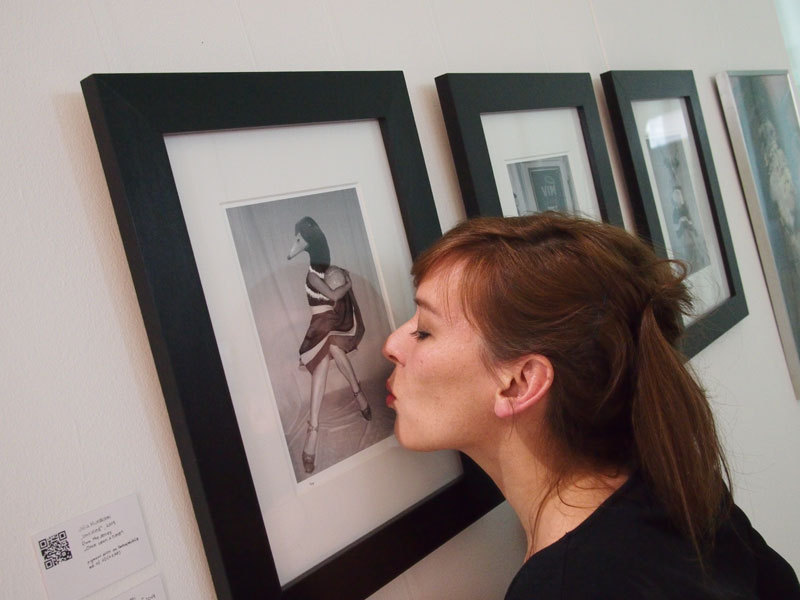
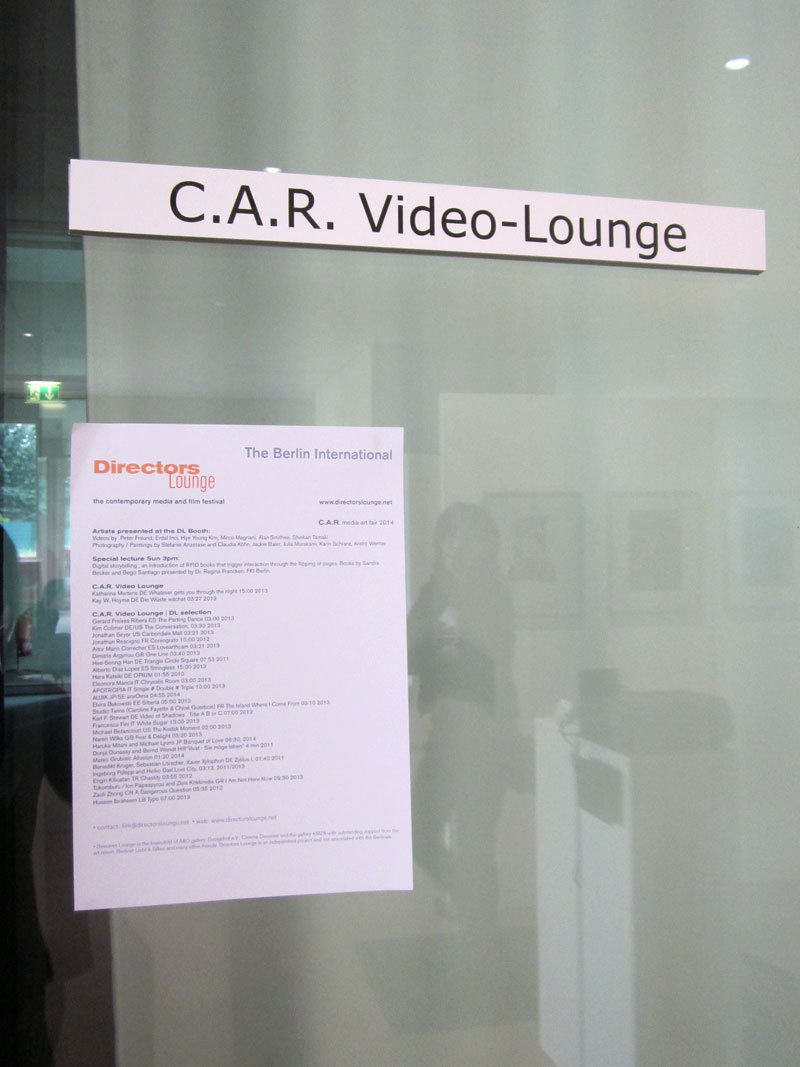
Directors Lounge at the Car Video Lounge (Auditorium) with works by Engin Kilicatan, Tokomburu / Ion Papaspyrou and Zisis Kokkinidis, Zaoli Zhong, Hussen Ibraheem, Benedikt Kruger, Sebastian Lörscher, Xaver Xylophon, Aitor Marín Correcher, Jonathan Seyer, Jonathan Rescigno, AUJIK, Francesca Fini, Naren Wilks, Alberto Diaz Lopez, Hee-Seong Han, Hara Katsiki, APOTROPIA , Dimitris Argyriou, Studio Twins / Caroline Fayette & Chloé Guerbois, Elvira Bukowski, Gerard Freixes Ribera, Karl F. Stewart, Eleonora Manca, Michael Betancourt, Ingeborg Fülepp and Heiko Daxl, Mateo Grubisic, Haruka Mitani and Michael Lyons, Dunja Donassy and Bernd Wendt Artists presented at the DL Booth: Videos by Peter Freund, Erdal Inci, Hye Young Kim, Mirco Magnani, Alan Smithee, Shinkan Tamaki Photography / Paintings by Stefanie Anastase and Claudia Köhn, Jackie Baier, Julia Murakami, Karin Schranz, André Werner
Special lecture Sun 3pm: Digital storytelling , an introduction of RFID books that trigger interaction through the flipping of pages. Books by Sandra Becker and Bego Santiago presented by Dr. Regina Francken, FKI Berlin
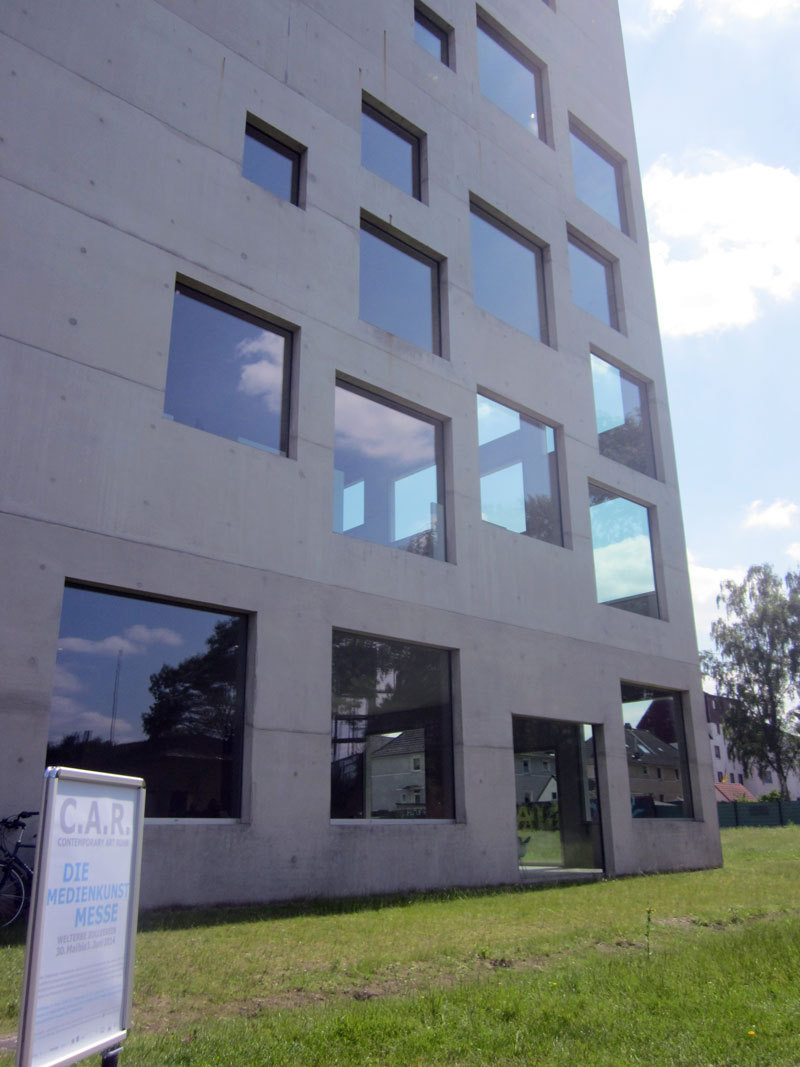
Directors Lounge at thecontemporary art ruhr (C.A.R.) – the media art fair,May 30 – June 1, 2014 Zollverein World Heritage Site
SANAA-building, Areal A, Hall A35, Gelsenkirchener Strasse 209, 45309 Essen, Germany
Official Opening Friday, May 30, 8 pm
Public Fair Days Saturday, May 31, 11 am – 7 pm Sunday, June 1, 11 am – 7 pm
Engin Kilicatan TR Chastity 03:55 2012 Tokomburu / Ion Papaspyrou and Zisis Kokkinidis GR I Am Not Here Now 09:30 2013 Zaoli Zhong CN A Dangerous Question 05:35 2012 Hussen Ibraheem LB Typo 07:00 2013 Benedikt Kruger, Sebastian Lörscher, Xaver Xylophon DE Zyklus I, 01:40 2011 Aitor Marín Correcher ES Lovearthcam 03:21 2013 Jonathan Seyer US Carbondale Mall 03:21 2013 Jonathan Rescigno FR Corengrato 10:00 2012 AUJIK JP/SE anxOxna 04:55 2014 Francesca Fini IT White Sugar 13:00 2013 Naren Wilks GB Fear & Delight 03:20 2013 Alberto Diaz Lopez ES Stringless 15:00 2013 Hee-Seong Han DE Triangle Circle Square 07:53 2011 Hara Katsiki DE OPIUM 01:55 2010 APOTROPIA IT Single # Double # Triple 10:00 2013 Dimitris Argyriou GR One Line 03:40 2013 Studio Twins (Caroline Fayette & Chloé Guerbois) FR The Island Where I Come From 03:10 2013 Elvira Bukowski EE Siberia 05:00 2013 Gerard Freixes Ribera ES The Parting Dance 03:00 2013 Karl F. Stewart DE Video of Shadows . Title A B or C 07:00 2013 Eleonora Manca IT Chrysalis Room 03:00 2013 Michael Betancourt US The Kodak Moment 02:00 2013 Kim Collmer DE/US The Conversation, 03:30 2013 Ingeborg Fülepp and Heiko Daxl Lost City, 03:13, 2011/2013 Mateo Grubisic Allusion 01:20 2014 Haruka Mitani and Michael Lyons JP 恋愛の大饗宴 (Banquet of Love) 06:30, 2014 Dunja Donassy and Bernd Wendt HR"Vivat – Sie möge leben" 4 min 2011
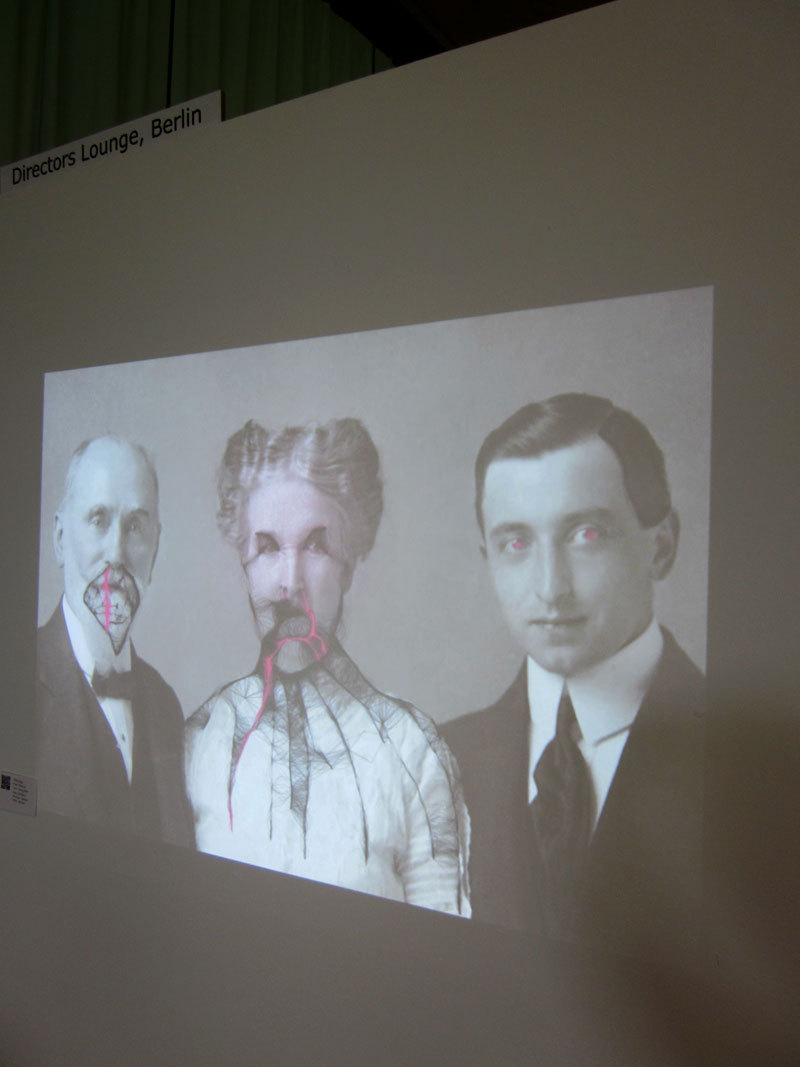
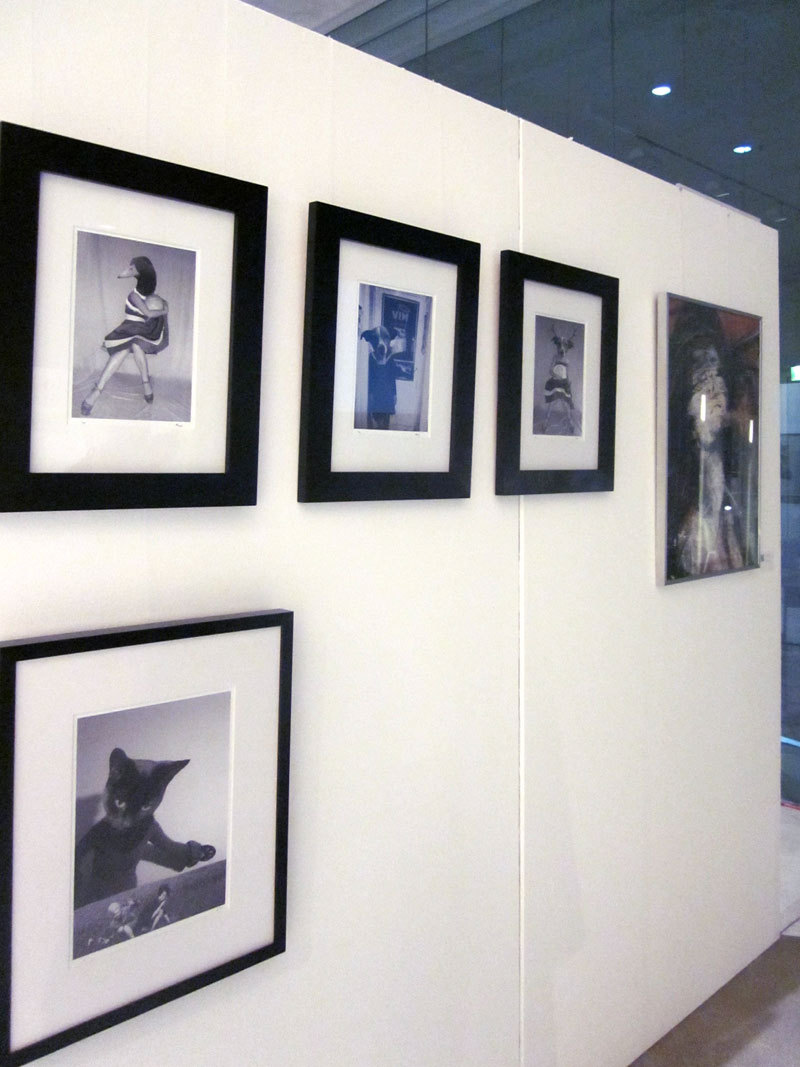
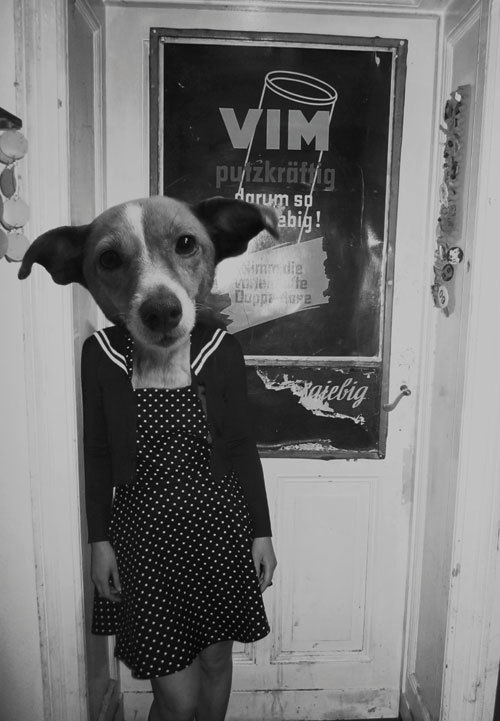
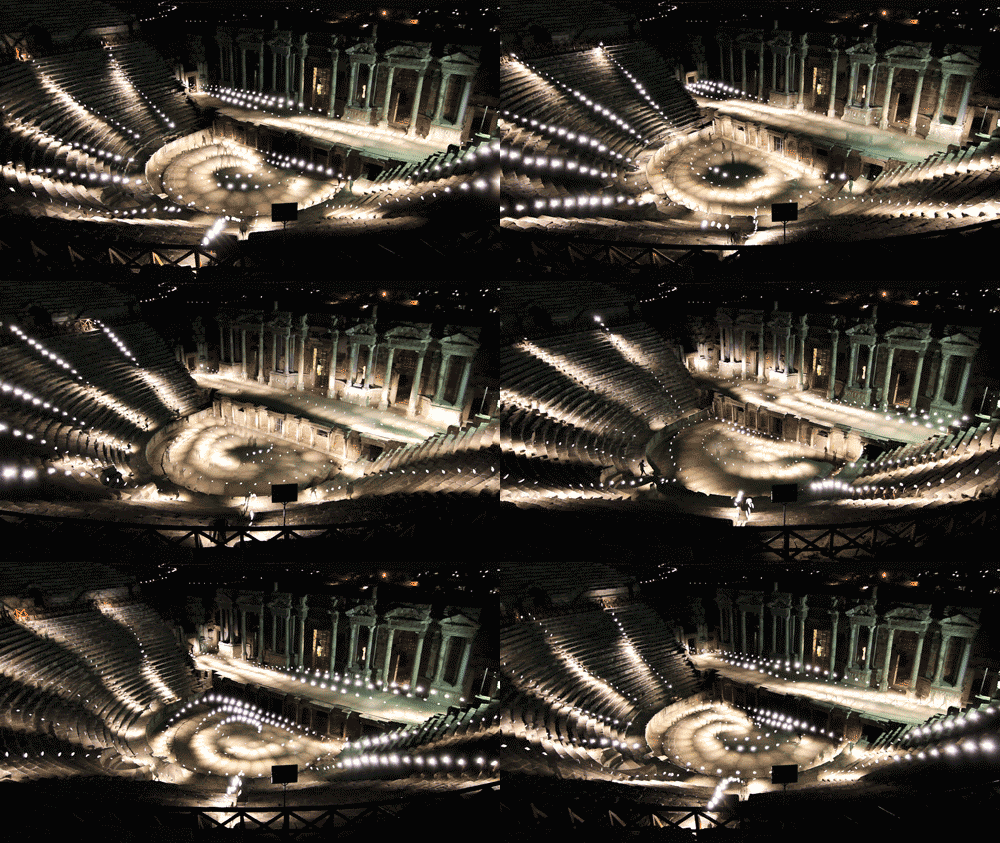
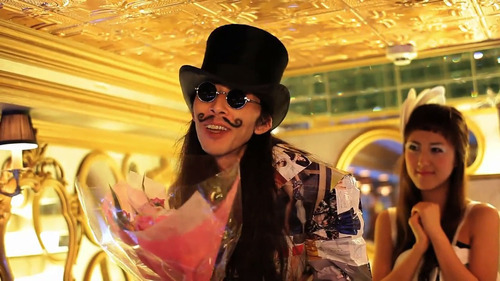
pictured: Julia Murakami, “Vim and Blinkie, 2014” Erdal Inci “Hieropolis Amphitheatre”, 2013, Alberto Diaz Lopez “Stringless”, 2013
Directors Lounge Screening:
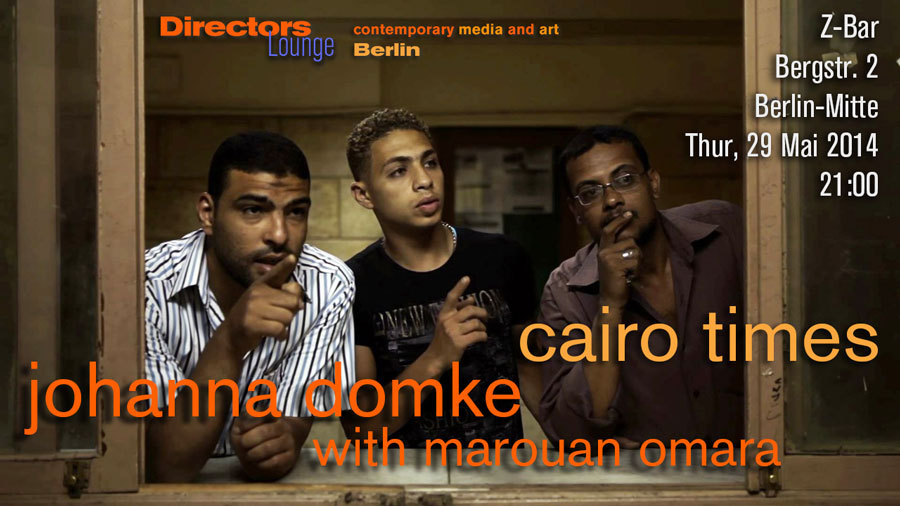
Johanna Domke with Marouan Omara Cairo Times
Thursday, 29 May 2014 21:00 Z-Bar Bergstraße 2 10115 Berlin-Mitte
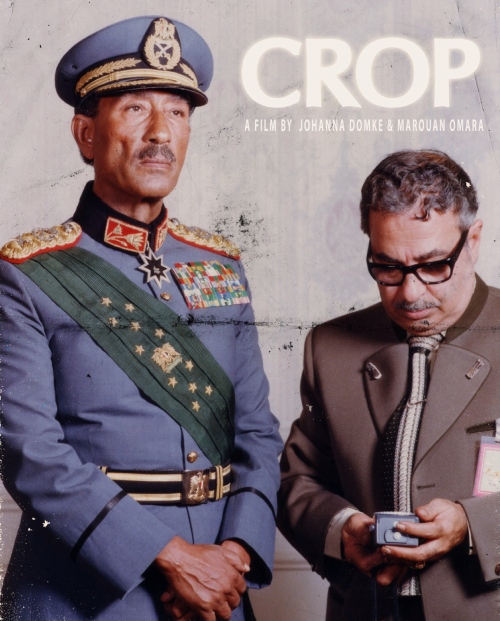
Crop is an astounding video piece about a state-owned newspaper building in the center of Kairo. Filmed in 2012 shortly after the revolution in Egypt, the video represents an interesting, historic moment in time, and it is at the same time a reflection on image making and image representation in times of political changes regardless of local bounds or temporality.
Set at the press house of Al Ahram (the Pyramids), a conservative newspaper that has been the national official press organ since President Nasser, the viewer is guided to explore the rooms of the house from the top down, following its hierarchy of places, literally from the representative offices down to the cellars with printing machines and packaging of newspaper bundles. While the camera unfolds step by step the complexities of a building, a photo-journalist talks about the beginnings of photo reportage in Egypt. He tells us he missed the revolution staying at the hospital. He speaks about the restrictions photo journalism has had to face from its beginning both from a conservative islamic society, and a regime controlling every publication. At first the journalist seem to be one person, but that is a fiction. His narration actually is a composition of 19 statements of different interviewed journalists, whose opinions differ in complex ways. The sound track of the film is comprised of two separate layers: the ambient sound that goes along with the passage of places that we follow inside the building, and on the other side the voice-over of the interviewed journalist. This voice-over creates a real contrapuntal montage in the sense of Eisenstein’s statement on sound film, whereas the ambient sound creates a poetic flow of images, a narrative of space.
The film, a collaboration between the video artist Johanna Domke and the film director Marouan Omara, was in several ways a lucky moment. Domke had planned her residency in Kairo at Townhouse Gallery before the beginning of the Arabic revolution, and the filming itself, including all the preparations and necessary permissions, was only possible in that short period of time of changes before the new regime took control again. The film thus represents a unique time in history while at the same time it gives a comprehensible glimpse of what it is like to work as a journalist under the restrictions of censorship. As Johanna told me, the team always asked for where the censorship actually had taken place, and were always referred to a different department. There was no official censorship office or censorship management, it was just part of the system as a whole. In certain ways, the press house depicted in the film truly resembles Kafka’s castle, where the power never manifests. Watching the film on the other hand may also give the impression of utterly familiarity with the building and its subdivisions, its poetry of space, the familiarity of bureaucratic space. In “Poetics of Space” Gaston Bachelard talks about the philosophy of space using a big family house as an example, something I always felt to be imperfect at least in reference to modernity, and in certain ways, the film “Crop” completes the picture of a modern poetics of space.
The artist, Johanna Domke, will be available for Q&A.
Program: Cairo Times 12:23 min, 2013 Crop 47:08 min, 2012
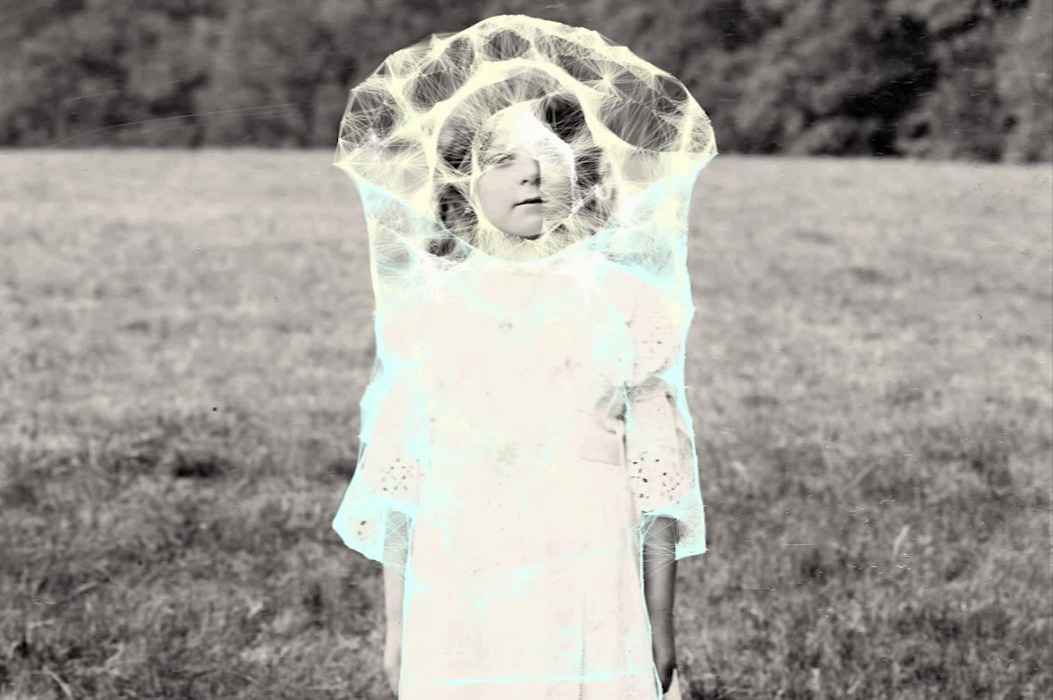
Orduna’sVestigios (“Vestiges”) perplexes. In truth, it seduces without obvious charm before it perplexes. Scenes envelop and inhabit before revealing the traces of a narrative, thereby proving the title accurate. There is however steady advancement here – images collecting to have a cumulative value that nonetheless does not suffer under its own weight, somewhat akin to the progressive effect of a Fibonacci number: the ever-growing sum of the preceding two.
As such, a linear storyline remains before the door. But from lower reaches, a kind of narrative emerges, a celluloid palimpsest, the vague but profound reflections of a life led and by its end just perhaps grasped in terms of its most affecting components. What perplexes, to the credit of the film, is the fact that it provokes the sensation of a story being told without a discernable one being in evidence. The method used mimics closely the reductionism of a thought process, reversing the bottom-up superimposition of standard film art. This is the minimal, initial layer of storytelling. Vestigios initially seems like the bare bones of a film concept, the backdrops and the settings stripped of the actors, stripped of the dialogue, stripped of even those details that are intended to key viewers into a returning scene of action. It is as though the filmmaker decided his film was overloaded and continued reducing the ornamentation, until he reached a point that was far beyond his intention, but that proved eminently more satisfying than the combination of plot, dialogue and ambient noise: the true and elemental story at the core, the moments that remain when freed of a harnessing structure.
The reference points here are compositional signposts, static imagery with a hint of life breathed into them: starkly symmetrical images (rolling escalators, paired telephones, views down walled alleyways) move ever so slightly, the breathing of a cameraman, possibly, the playfulness of breeze, shifting light. Or your imagination. A mask that regards you with immobile features seems to move its eyes, slightly, after some long moments borne in increasing discomfort by the intensity of a stare that is without vision. Urban settings become vaguely disturbung (yet paradoxically comforting) for not being completely deserted, but being occupied by people heard but never in view, always behind walls and around corners. It is as though you, moving through these locales, have been summoned to be near but not enter.
For all of this, Vestigios is not in lack of anything. It can simultaneously be seen as a stark paring down of the film process and a deepening of pure content. The images accompany lyricism (appearing in interspersed Chinese characters as title cards) that sounds as spare to the Western ear as the images feel in visual terms. These move through philosophical musings and reflections on existence itself. “A long journey, a reflection, a fragrance… I leave submission behind” opens these ruminations. Questions posed (“Maybe everything is mere interpretation?”), questions answered (“The path is marked out”) and personal revelations (“I sought nudity so that nothing would hold me back”) counterpoint the barren images. Thus, the plotless story is unravelled. As well, the spartan soundtrack moves the “action” forward, with subtlety and without haste. A drumbeat evolves into heartbeat, and occasional din resolves itself in sudden silences.
In this way, Orduna combines the spare, observational qualities of Edison’s “actualities” and the torpid uneasiness of Lynch in a film that neither tells a story nor avoids telling one. These are the thoughts at the back of one’s head, ultimately more profound for not being expressible with simple and linear language, collecting and extending themselves to buoy up a core oxymoronically nebulous and defined.
Finally, Orduna turns the optical refuge of black and white into colour, golden tones moving towards blue. The film ends with this move into another sphere of reference, from two-dimensional monochromatism to three-dimensional chromatism, making one want to view the preceding again with the acquired knowledge of another level of vision. Reflection is inevitable, surely Orduna’s intention. Achieved with elegance and the most deceptively complex simplicity.
Vestigios was screened in World Premiere at [DLX], the 10th Berlin International Directors Lounge on 11 February 2014.
For the fourth year running, Directors Lounge answers the call to make its unique contribution to an exploration of the essence of Japan at the highly popular Düsseldorf festival called Japan Day, the largest of its kind worldwide. Amidst an impressive presentation of cuisine and lectures, DL will attend to an audio-visual sally into Japan’s cultural being in the form of film art, as presenters in the Black Box cinema of the Filmmuseum. Not simply a sushi of well-worn superficialities, but a series of onscreen dives into the Japanese collective soul, cutting off distracting excess with the efficiency of a kaiken dagger.
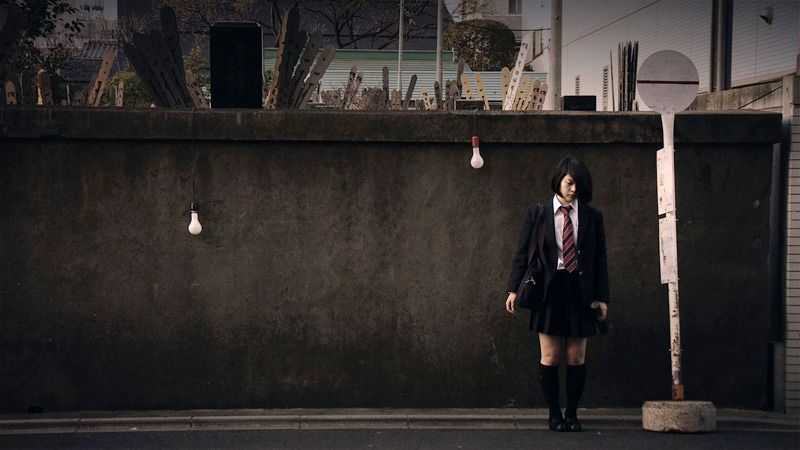
Among these flickering outings will be Tetsuya Tomina’s “At The Last Stop Called Ghost Chimney,” an unsettling ride into an ominously persistent past in the form of four thermal power plant chimneys long gone but still present… to some eyes. Here, subtext rides along with three passengers whose manner and movement within darkened, compositionally stark spaces evokes the aesthetics of Manga as well as the masked formality of Noh. But this is just one of many; more awaits the avid Japanophile, conveniently closer than the distant isles themselves. Far Japan, not far at all. Directors Lounge is the Bullet Train to take you there.
With films by Julia Kim Smith,Pedro Collantes, Rebecca Culverhouse, Akinori Okada and Daisuke Hagiwara,AUJIK, Simon Lereng Wilmont, Masanobu Hiraoka,Tetsuya Tomina ; curated by Julia Murakami and André Werner
Location: Directors Lounge at the Black Box Cinema, Schulstr. 4, 40213 Duesseldorf (map) 17 May 2014, 8 pm Don’t miss the fireworks afterwards!
The program:
Julia Kim Smith 99 Luftballons 2 min 2s 2014
Pedro Collantes ES/NL/JP Serori 15 min 20s 2014 There is always a first time for everything, even for celery. http://mizunonaka.com/serori
AUJIK SE/JP anxOxna 4 min 55s 2014 Trees structured as a neural network Axon and Dendrites-branches connecting through multiple forms of synapses. Individually programmed receptors. Flexible synthetic neurotransmitters. Axon terminal with receptive chaos outcome . Post synaptic density calibrated through external sentient impacts. A pan-computational AI-system. http://www.aujik.com
Simon Lereng Wilmont DK Chikara – The Sumo Wrestlers Son 32 min 20s 2013 The film follows the 10-year-old Japanese boy Chikara and his struggle to become a sumo wrestler. His father, Harumitsu, was a professional sumo wrestler from one of Tokyo’s most successful sumo club, so expectations surrounding Chikara are extremely high. Today his father owns a noodle shop where he works a lot. Their only time together is when they train Sumo wrestling. It’s a very valuable time for Chikara. Chikara wants to impress his father, but when he’s there Chikara get’s really nervous and everything seems to go wrong. The annual national Sumo Championship is approaching and it means everything to Chikara to do well, so his father will be proud of him.
Rebecca Culverhouse Kichigai 28 min 52s (pictured) In a city that never sleeps, the party never dies…. KICHIGAI is the semi autobiographical story of a real night out – or to be more precise, a blur of surreal nights out in Tokyo, mixed together with a cast of crazy characters and manga style subtitles.
Akinori Okada and Daisuke Hagiwara JP Yaoyoro´s 3 min 45s Some Japanese believe in an ancient philosophy called Animism (Yaoyorozu), which basically states that everyday objects have their own life stories. We have created frame animations (root: anima, meaning “life”) based on our interpretation of those stories. 八百万の神に感謝! http://yaoyoros.com
Masanobu Hiraoka JP Land 3 min 41s 2013 Abstraction and metamorphoses
Tetsuya Tomina At the Last Stop called Ghost Chimney 19 min 16s 2013 (pictured) To spend more time with the bus driver she always liked, on the last day of school, a girl rides to the last stop called Ghost Chimney. Depending on the angle, it is looked one chimney or four chimneys. The girl and the bus driver dream of a world beyond the last stop… http://tetsuyatominafilm.com/
We use cookies to ensure that we give you the best experience on our website. If you continue to use this site we will assume that you are happy with it.